
Under the Dietary Supplement Health and Education Act (DSHEA) of 1994, the FDA regulates dietary supplements, including those marketed for sleep. However, this regulation is less stringent than the approval process for prescription drugs.
Generally, supplement manufacturers are responsible for the safety and correct labeling of their products before marketing. They must follow Good Manufacturing Practices (GMPs) and register their facilities with the FDA, but they don't need to obtain FDA approval before selling their supplements.
Many turn to over-the-counter (OTC) sleep supplements for availability, but efficacy often varies due to less strict regulation compared to prescription aids.
Synthetic melatonin mimics the hormone produced by the body to regulate sleep-wake cycles. While studies suggest it helps with jet lag, it lacks FDA approval for treating insomnia.
Used for centuries for anxiety, Valerian root's scientific evidence is limited. Side effects can include dizziness, headaches, and gastrointestinal discomfort.
Extracted from cannabis, CBD may have potential benefits for sleep, but quality varies widely and more research is needed for proper dosage.
Traditionally used for calming properties, chamomile is generally safe but lacks substantial insomnia evidence.
The FDA does not evaluate safety or effectiveness before market release. Inconsistencies in purity, potency, and composition are common between batches.
Supplements can cause drowsiness, nausea, and interact with other medications. Consult a provider to determine if a supplement is appropriate for your health history.
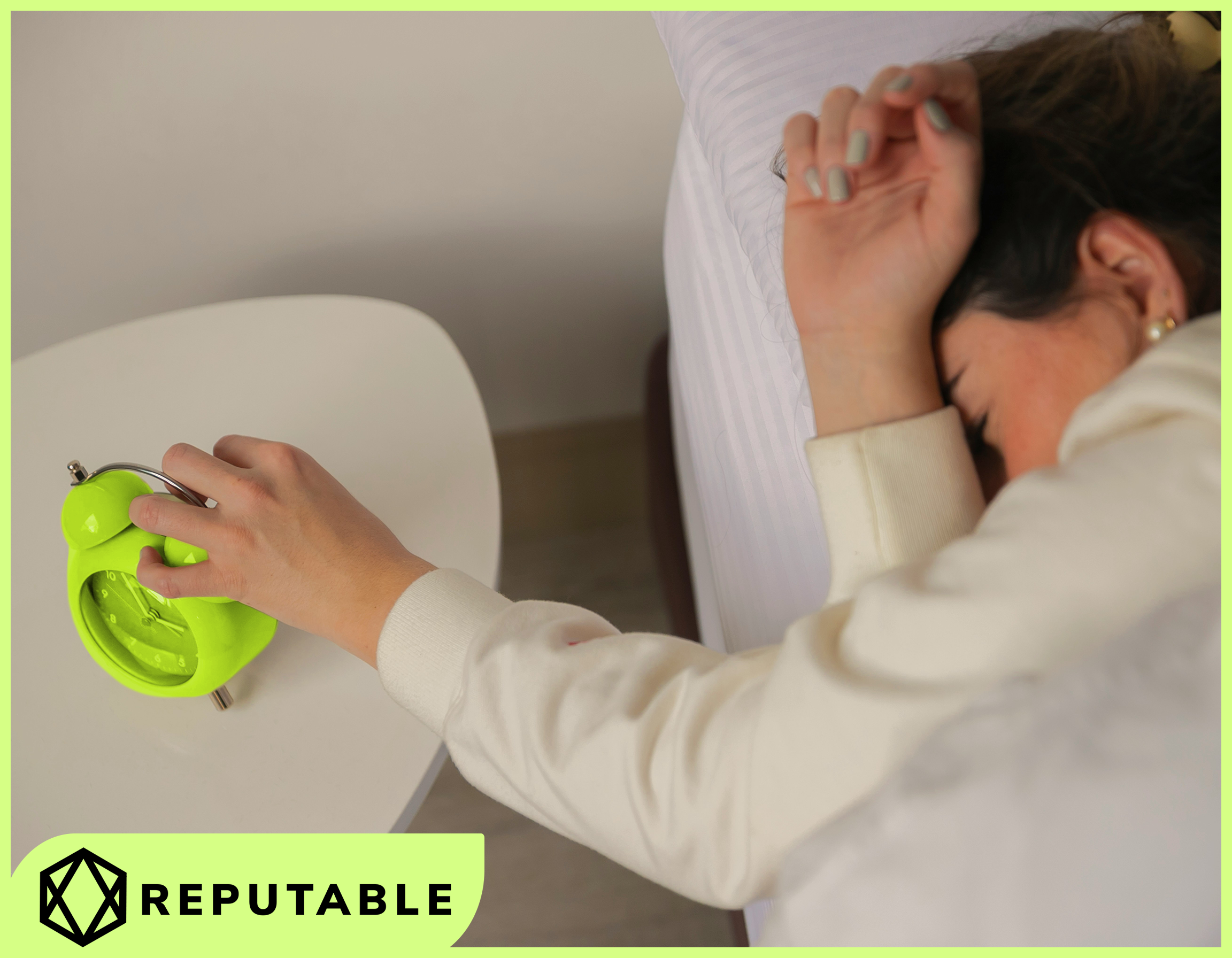
Wearable technology enables objective data collection in real-world settings. These trials use FDA-compliant wearable devices to track sleep quality and patterns, allowing manufacturers to gather evidence in natural sleep environments.
With scientific validation, companies can build consumer trust and support marketing claims while differentiating themselves in a competitive market.
Manufacturers must adhere to FDA and FTC regulations. You can use structure/function claims (e.g., "promotes relaxation") but cannot make disease treatment claims without approval.
Evidence from wearable-based sleep trials provides the scientific backing needed for efficacy statements, provided the mandatory FDA disclaimer is always included.
Openly sharing sourcing and formulation details inspires confidence in product safety.
Independent certifications indicate a product adheres to strict quality guidelines.
Teaming up with experts and conducting objective research demonstrates a commitment to science-based solutions and consumer education.
Traditional methods often fall short of providing real-world data. Wearable clinical trials are accessible and cost-effective, allowing businesses of all sizes to scientifically validate products while mitigating legal risks related to unsubstantiated claims.
At Reputable Health, we provide wearable-based trials that offer objective data to support informed consumer decisions and brand credibility.
Scientifically back your sleep supplement's efficacy with Reputable Health's wearable-powered research solutions. Book a call today to fast-track your product's credibility.
Consult Our Validation Experts