CRF Meaning: What Is a Case Report Form (CRF)?
CRF Meaning: What Is a Case Report Form (CRF)?
CRF meaning: In clinical trials, CRF stands for case report form: the paper or electronic form a study team uses to record each participant's data exactly as the study protocol requires. Visit data, measurements, treatment details, and adverse events are all entered on CRFs, so every participant and every site is recorded the same way and the data can be checked and analyzed consistently.
Looking for the medical term? In general medicine, CRF can also mean chronic renal failure, an older name for chronic kidney disease. This article covers the clinical trial meaning.
CRFs help capture safety and efficacy data, which is later analyzed to determine the intervention's success. By using standardized CRFs, researchers ensure that data is collected consistently across all study sites and participants. Traditionally, CRFs were paper-based, but electronic CRFs (eCRFs) have become popular, offering real-time data entry and automated edit checks.
- Digital Evolution: The shift from paper to electronic CRFs (eCRFs) improves efficiency thanks to real-time data entry and automated validation features.
- Wearable Synergy: Wearables enhance data collection through real-time monitoring, improved accuracy, and reduced errors.
- Operational Impact: Integrating wearables with CRFs streamlines data management, increases patient compliance, and lowers costs while improving trial outcomes.
- Future Drive: Technologies like AI, ML, and advanced wearables (smart patches) will drive decentralized trials and personalized medicine.
Benefits of Using CRFs with Wearable Devices
Integrating wearable technology with CRFs can revolutionize data collection. Smartwatches and medical-grade sensors offer numerous benefits when combined with modern data entry platforms.
Real-Time Collection
Wearables facilitate continuous monitoring of activity levels and physiological parameters, creating more timely insights into intervention effects.
Improved Accuracy
Automated data transfer reduces errors and missing data points, minimizing the need for manual transcription and intervention.
Enhanced Compliance
Devices can provide reminders and notifications, encouraging participants to adhere to protocols and complete required assessments.
Reduced Costs
Streamlined processing significantly reduces the time and resources required for management, translating into direct savings.
By leveraging the power of real-time data, researchers gain deeper insights into patient health and optimize study protocols.
How Do CRFs and Wearable Devices Work Together?
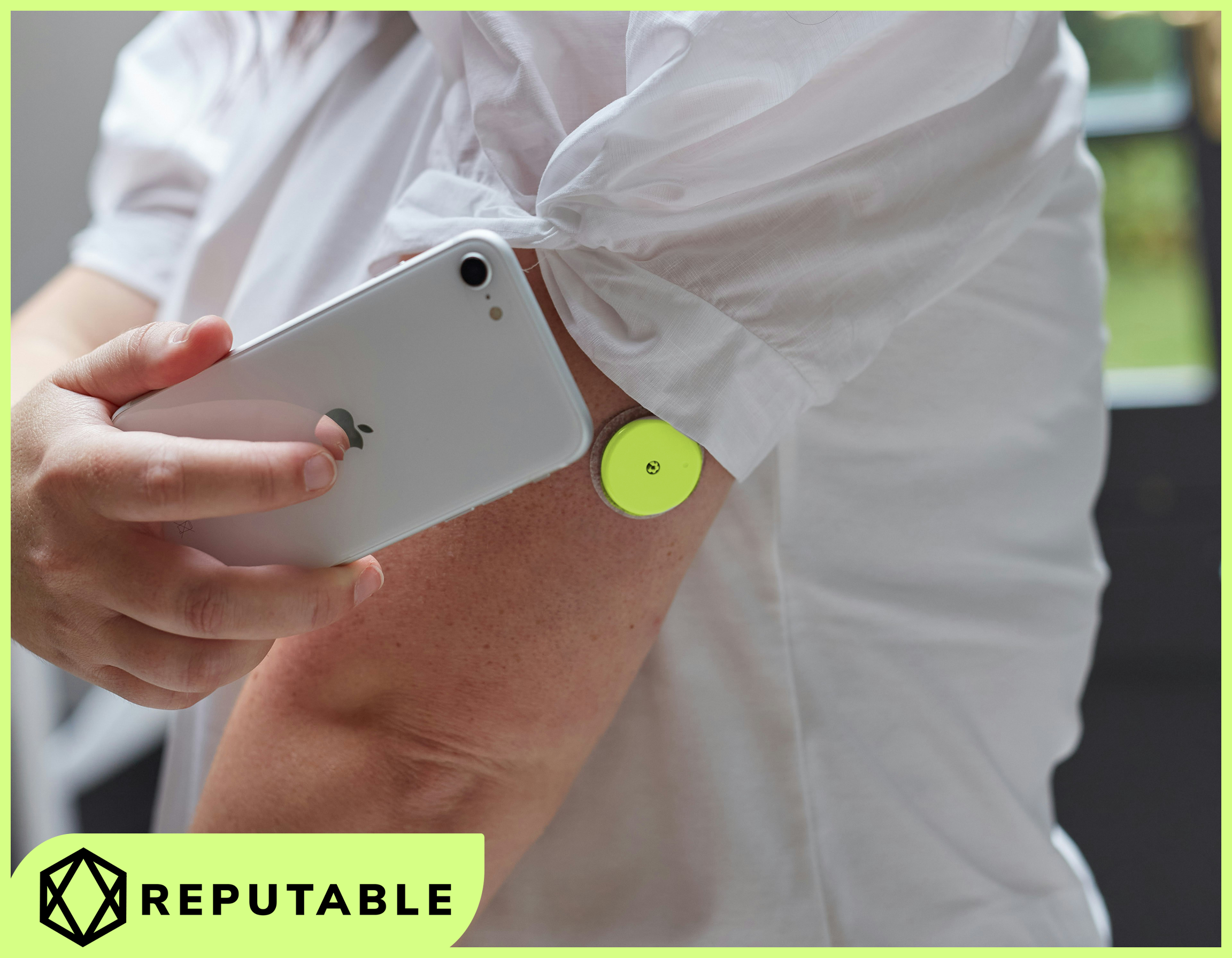
Wearables track heart rate, sleep patterns, and physical activity continuously. This data is securely transmitted to the eCRF system, where it is stored alongside demographic info and medical history.
The eCRF system acts as a centralized repository for all clinical trial data. This allows investigators to access a comprehensive dataset beyond clinical settings, opening up new possibilities for decentralized trials.
Challenges and Considerations
Handling sensitive health information requires strict compliance with HIPAA (US) and GDPR (EU) via secure transmission and access protocols.
Selecting reliable, user-friendly wearables validated for research is critical. Consider accuracy, battery life, and participant ease of use.
Harmonizing data from various platforms is essential. Adhering to CDISC standards ensures consistency and regulatory compliance.
Best Practices for Designing Wearable-Enabled CRFs
Focus on collecting only required data points to avoid overwhelming participants. Intuitive eCRF interfaces improve entry accuracy, while real-time validation rules flag inconsistencies immediately.
For more on this trend, see how AI is shaking up health research and transforming data management workflows.
The Future of CRFs and Wearables
Integration will become even easier with smart patches and implantables. Decentralized and remote trials are gaining momentum, allowing participants to engage from home and creating more diverse study populations.
The future also holds promise for personalized medicine. Researchers can tailor interventions to needs using real-time data streams. The future of wellness research is set for a transformative shift with CRFs and wearables at the forefront.
Learn how Reputable Health supports data collection and reporting through our clinical research services, or contact our study team.
Contact Our Study TeamFrequently Asked Questions
What does CRF mean in clinical trials?
CRF stands for case report form. It is the paper or electronic form a study team uses to record each participant’s data exactly as the protocol requires.
What is the difference between a CRF and an eCRF?
An eCRF is an electronic case report form. It replaces paper with real-time data entry and automated edit checks, which help catch errors early.
What data goes on a CRF?
Visit data, measurements, treatment details, and adverse events. Using the same CRFs for every participant and site keeps the data consistent, so it can be checked and analyzed the same way.